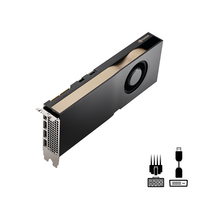
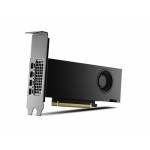
Von Ultraschallgeräten bis hin zu fortschrittlichen digitalen Displays und Robotik bieten NVIDIA RTX-Lösungen für eingebettete Grafikprozessoren hervorragende Leistung und Energieeffizienz und erfüllen gleichzeitig die höchsten Qualitäts- und Zuverlässigkeitsstandards. Unabhängig von Branche, Anwendung oder Bereitstellungsumgebung sind eingebettete GPU-Lösungen mit NVIDIA RTX-Technologie für die Bereitstellung von Grafik-, Rechen-, Deep-Learning- und KI-Funktionen für eine Vielzahl von Systemen konzipiert.
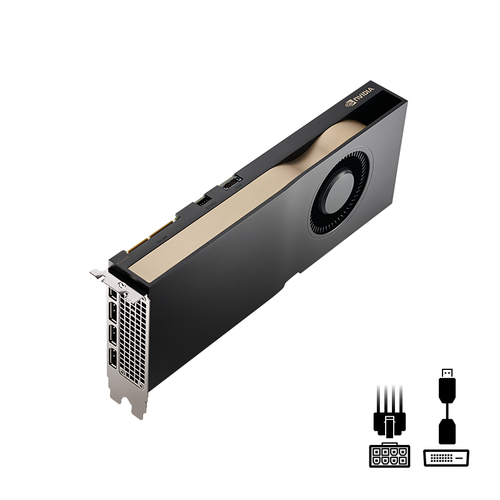
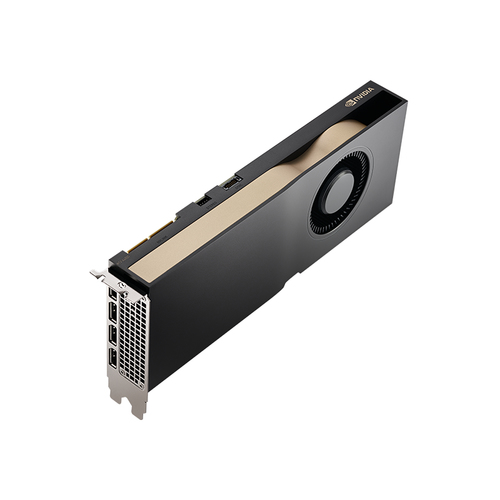
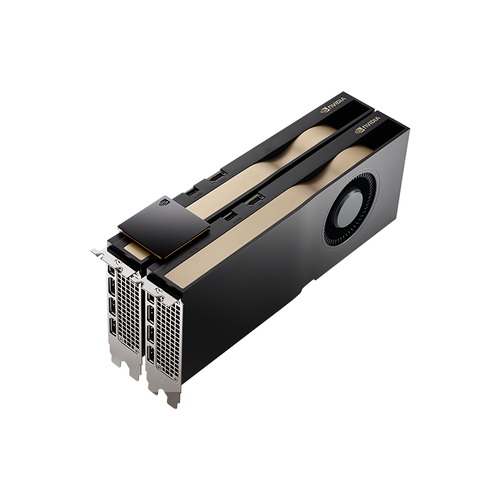
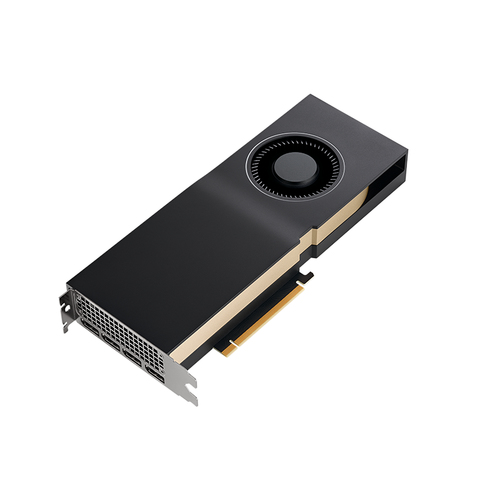
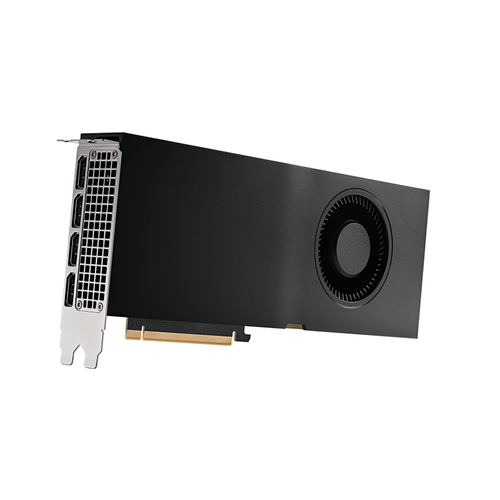
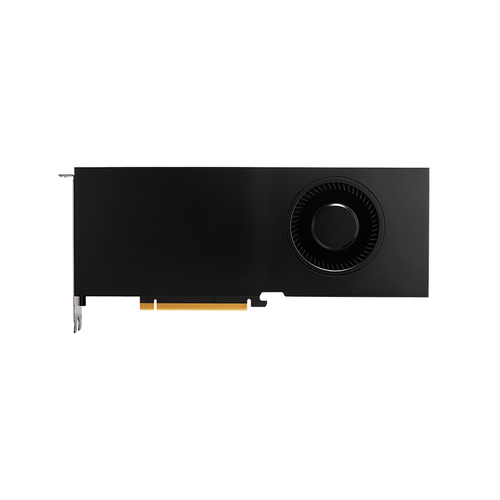
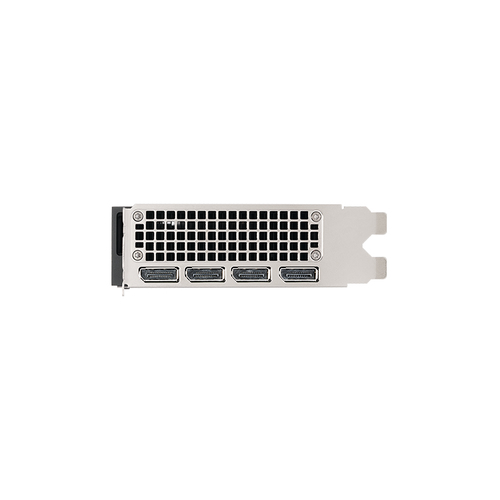
The PNY RTX A4500 (VCNRTXA4500-SB) is a professional workstation graphics card designed for demanding visualization, 3D content creation, simulation, and AI-accelerated workflows. It is equipped with 20 GB of GDDR6 graphics memory, offering ample capacity for handling large models, complex scenes, and high-resolution textures in CAD, DCC, and data visualization applications. The card provides four DisplayPort outputs, enabling multi-monitor setups for expanded desktop space, immersive visualization walls, or complex control-room environments. Delivered in a compact Smallbox packaging format, this version is typically aimed at system integrators, workstation builders, and professional users who need a reliable board-only solution without extensive retail accessories.
Technically, the RTX A4500 belongs to NVIDIA's RTX professional lineup and is engineered to support modern GPU-accelerated workflows. The 20 GB of GDDR6 memory (with ECC support on many professional RTX models) is well-suited for GPU rendering, simulation, and real-time ray tracing in compatible software. The four DisplayPort interfaces are designed for connecting multiple high-resolution and high-refresh displays, which is essential for 4K and multi-screen workstations in areas such as video editing, financial trading, medical imaging, or engineering visualization. Thanks to the RTX architecture, the card supports hardware-accelerated ray tracing and AI-based features in applications that integrate such technologies.
In terms of applications, the PNY RTX A4500 is well suited for 3D modeling and rendering in architecture and product design, complex CAD and CAE simulations, virtual production, video and VFX workflows, as well as data science and AI-assisted analytics. Design and engineering teams benefit from fluid navigation in large assemblies, accurate visualization of lighting and materials, and fast generation of photorealistic previews. Media professionals can accelerate encoding, compositing, and GPU-based effects, while researchers and analysts can take advantage of GPU compute performance for parallel workloads in compatible frameworks and applications.
The main advantages of this product include its generous 20 GB memory capacity, multi-display connectivity via four DisplayPort outputs, and its alignment with professional drivers and certification programs typically associated with NVIDIA-based workstation GPUs. These elements contribute to improved stability and reliability in mission-critical professional software, reduced downtime, and more predictable performance. For companies, a card in this class helps shorten project cycles, improve visual quality in client presentations, and support more advanced simulations or AI-assisted features without constantly running into hardware limits.
PNY as a manufacturer has an established track record as a long-time NVIDIA partner in the professional and consumer graphics card segment. The company focuses on delivering reliable, workstation-grade hardware tailored to engineers, designers, content creators, and enterprise users. PNY also communicates initiatives around responsible manufacturing, energy-efficient product design, and optimized logistics to reduce environmental impact where possible. By choosing a professional GPU from a supplier that works on efficiency and long-term reliability, customers can indirectly contribute to reduced hardware waste, longer lifecycle usage, and a more sustainable IT infrastructure. Investing in a powerful workstation solution like the PNY RTX A4500 also enables organizations to consolidate workloads on fewer, more capable systems, helping to lower overall energy consumption in their GPU-accelerated environments.





 PC-Components
28.211
- CPU Processors 473- Computer Cases 3.987- External Optical Dr. 138- Fans&Cooling 2.881- Graphics Cards 516- Internal Optical Dr. 66- Motherboards 795- PC Adapters 2.759- PC Cables 9.336- Port Cards&Controll. 361- Power Supplies 4.221- RAM Memory Laptop 300- RAM Memory PC 2.019- Sound cards 20- more Components 339Scanner 590Servers&Accessories 7.026Tablets 1.835
PC-Components
28.211
- CPU Processors 473- Computer Cases 3.987- External Optical Dr. 138- Fans&Cooling 2.881- Graphics Cards 516- Internal Optical Dr. 66- Motherboards 795- PC Adapters 2.759- PC Cables 9.336- Port Cards&Controll. 361- Power Supplies 4.221- RAM Memory Laptop 300- RAM Memory PC 2.019- Sound cards 20- more Components 339Scanner 590Servers&Accessories 7.026Tablets 1.835